
At a glance
Assembly Bill 1684 (AB 1684) proposes changes to how homeowners associations (HOAs) regulate temperature control equipment in California’s common interest developments. The measure adds Section 4738 to the Civil Code, effectively voiding any HOA rule, architectural guideline, or policy that prohibits or restricts the installation, upgrade, replacement, or use of cooling systems that comply with state and local building codes [sourceUrl].
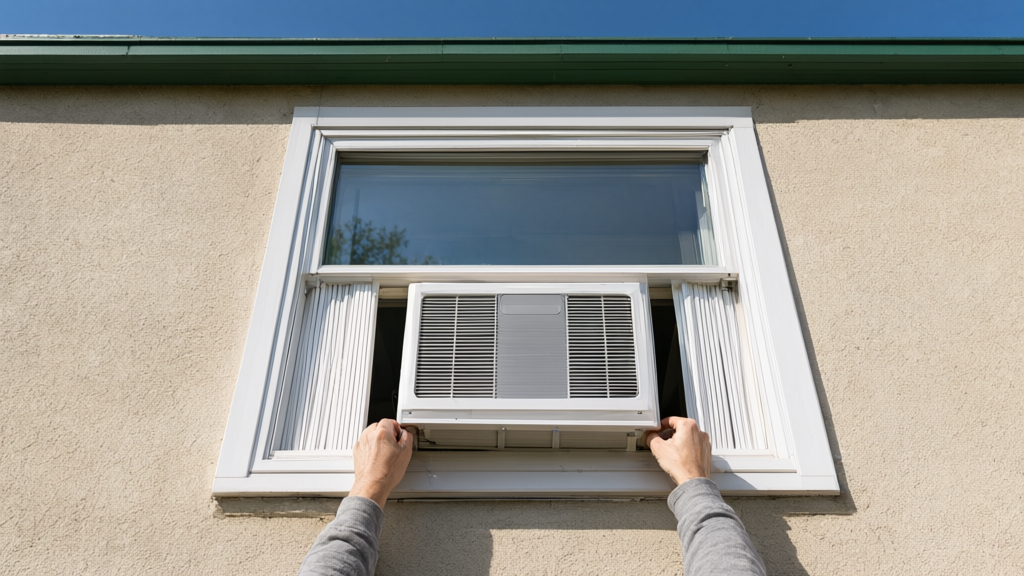
The bill defines "cooling system" broadly to include portable air-conditioning units, window air-conditioning units, swamp coolers, evaporative coolers, cooling fan systems, heat pumps, and other technologies that provide internal cooling benefits [sourceUrl]. By aligning these protections with existing laws for mobilehome residents, the legislation aims to ensure consistent rights for all homeowners to manage indoor temperatures during extreme heat events.
As of August 6, 2026, the bill has passed the Assembly and Senate committees and is currently engrossed in the Senate, awaiting final passage and the Governor’s signature to become law [sourceUrl].
What the bill would do
AB 1684 establishes a legal framework that prioritizes a homeowner’s ability to install cooling equipment over an HOA’s aesthetic or structural preferences, provided the equipment meets safety standards. Specifically, the bill makes any covenant, restriction, or condition in deeds, contracts, or governing documents that restricts compliant cooling systems void and unenforceable [sourceUrl].
The measure explicitly prohibits associations from taking several actions related to cooling systems:
- Charging any fee to a member for the installation, upgrade, replacement, or use of a cooling system.
- Requiring a member to use a specific type of cooling system, contractor, or product.
- Claiming any rebate, credit, or commission connected to a member’s cooling system installation or use.
- Requiring a member to remove a cooling system or preventing the replacement or upgrade of an existing one [sourceUrl].
However, the bill includes important exceptions to protect community infrastructure. HOAs retain the right to enforce permit requirements and can require homeowners to use licensed contractors if the installation affects common areas or exclusive use common areas. Homeowners remain liable for any damage their cooling systems cause to common areas or other members’ properties [sourceUrl].
To enforce these rights, the bill creates a private right of action. If an HOA willfully violates these provisions, it becomes liable for the homeowner’s actual damages, a civil penalty of up to $2,000, and reasonable attorney’s fees and court costs [sourceUrl].
Why supporters may favor it
Supporters of AB 1684 argue that the bill addresses a critical health and safety issue by ensuring residents can effectively cool their homes during increasingly frequent heatwaves. By mirroring protections already granted to mobilehome residents under the Mobilehome Residency Law, the bill promotes equity across different types of housing communities [sourceUrl].
Proponents suggest that current HOA restrictions can be arbitrary and financially burdensome, preventing homeowners from choosing cost-effective cooling solutions like window units or portable ACs. The bill removes these barriers, allowing homeowners to select technologies that best fit their needs and budgets while still adhering to strict building code requirements [sourceUrl].
Additionally, the prohibition on HOAs claiming rebates or commissions prevents potential conflicts of interest and ensures that financial incentives for energy-efficient upgrades go directly to the homeowners who invest in them [sourceUrl].
Why critics may object
Critics, particularly HOA boards and management companies, may raise concerns about the potential impact on community aesthetics and structural integrity. Unrestricted installation of various cooling technologies, such as external condensers or window units, could alter the visual uniformity that many common interest developments strive to maintain [analysis].
There are also practical concerns regarding maintenance and liability. HOAs may argue that verifying code compliance and permit status for a wide variety of cooling technologies creates an administrative burden. Furthermore, if a homeowner installs a system that interfaces with common areas without proper oversight, it could lead to disputes over repair responsibilities and long-term maintenance costs [analysis].
Some may also question how associations will determine if a specific technology "reasonably creates an internal temperature cooling benefit," a standard included in the bill’s definition of cooling systems. This ambiguity could lead to disagreements between homeowners and boards over what qualifies as a protected device [analysis].
Who may be affected
The primary group affected by AB 1684 includes homeowners and residents in common interest developments, such as condominiums, townhouses, and planned unit developments. These individuals would gain greater autonomy over their home environments, particularly regarding temperature control [analysis].
HOA boards and property management companies would need to update their governing documents, architectural guidelines, and enforcement procedures to comply with the new law. They may also face increased requests for permits and inspections related to cooling system installations [analysis].
Cooling system manufacturers, retailers, and installers could see increased demand as homeowners face fewer regulatory hurdles to upgrading or installing new equipment. Prospective buyers of properties in common interest developments may also benefit from clearer rights regarding cooling modifications, potentially influencing purchasing decisions [analysis].
What the vote record shows
AB 1684 has demonstrated strong support throughout its legislative journey. In the Assembly, the bill passed its third reading on May 4, 2026, with a unanimous vote of 74 ayes and 0 noes [sourceUrl]. Prior to that, the Assembly Committee on Judiciary recommended the bill for passage with a 12-0 vote on April 28, 2026 [sourceUrl].
In the Senate, the bill was referred to the Committees on Housing and Judiciary. The Senate Committee on Judiciary recommended the bill for passage with a 13-0 vote on June 23, 2026 [sourceUrl]. The bill was amended in the Senate on August 6, 2026, and ordered to second reading, indicating ongoing refinement but continued legislative momentum [sourceUrl].
What happens next
As of August 6, 2026, AB 1684 is engrossed in the Senate. The next steps involve final passage in the Senate chamber. If the Senate passes the bill in its amended form, it will be sent to the Assembly for concurrence with the Senate amendments. Once both chambers agree on the identical text, the bill will be presented to the Governor for signature or veto [sourceUrl].
If signed into law, the new provisions would take effect on January 1 of the following year, unless the bill specifies an urgency clause, which it does not currently appear to contain. Homeowners and HOAs should monitor the bill’s progress and prepare for potential changes to community rules regarding cooling systems.
For more insights into how California voters are shaping housing and consumer protection laws, visit the Power the People homepage. Readers interested in other recent legislative developments affecting California residents may also find our coverage of priority housing for foster students or prosecutor scheduling in human trafficking cases relevant. To understand the broader context of direct democracy in the state, see our guide on California citizen ballot initiatives.
Sources
- Official Bill Status Page
- Selected Bill Text (Amended August 6, 2026)
- LegiScan Record for AB 1684
- Assembly Third Reading Roll Call (May 4, 2026)
- Senate Judiciary Committee Roll Call (June 23, 2026)
- Assembly Judiciary Committee Roll Call (April 28, 2026)