
Which specific forensic science methods does SB 1515 define as discredited for the purpose of filing a new petition?
Short answer
Oregon Senate Bill 1515 explicitly defines three forensic science disciplines as discredited for the purpose of post-conviction relief petitions. These methods are hair microscopy, bite mark analysis or comparison, and comparative bullet lead analysis. The law creates a special legal pathway for individuals whose convictions relied substantially on these specific techniques [https://olis.oregonlegislature.gov/liz/2026R1/Measures/Overview/SB1515].
What the bill or law says
The text of SB 1515 amends existing statutes to create a new petition process for individuals convicted based on specific discredited forensic science disciplines. The bill provides clear definitions for each method to ensure consistent application by the courts.
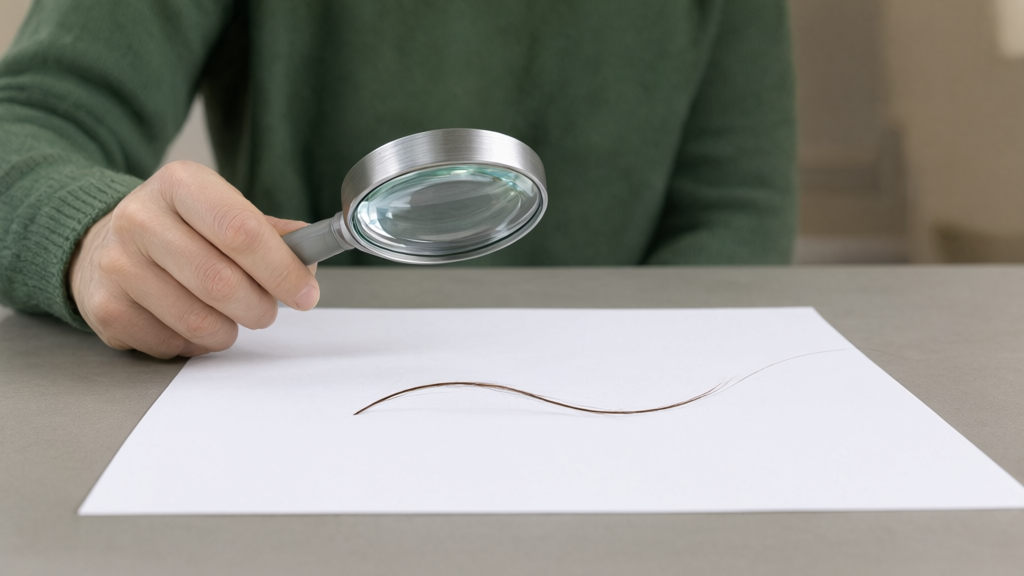
First, it defines hair microscopy as the visual comparison of hair samples without DNA testing. This definition specifically includes cases where experts assigned statistical weight or probability to a match [https://legiscan.com/OR/text/SB1515/id/3387692].
Second, it defines bite mark analysis or comparison as the subjective analysis of bite marks to identify a suspect. The law clarifies that this definition excludes DNA analysis of biological material found in or around the bite [https://olis.oregonlegislature.gov/liz/2026R1/Measures/Overview/SB1515].
Third, it defines comparative bullet lead analysis as the chemical composition analysis of bullet fragments. This method is based on the assumption that lead batches have unique chemical signatures, a premise now considered unreliable [https://legiscan.com/OR/text/SB1515/id/3387692].
How it works in practice
Under this new process, a person can file for post-conviction relief if their conviction was substantially based on one of these three methods. The petitioner must prove by a preponderance of the evidence that there is a reasonable probability the outcome would have been different without the discredited science [https://olis.oregonlegislature.gov/liz/2026R1/Measures/Overview/SB1515].
This pathway is notable because it exempts petitioners from standard procedural bars. This means individuals can seek relief even if they pleaded guilty, did not object to the evidence at trial, or have already completed their sentence. For those who pleaded guilty, they must demonstrate that the discredited science was a material factor in their decision to plead [https://legiscan.com/OR/text/SB1515/id/3387692].
However, this specific relief provision is temporary. It is set to sunset on January 2, 2031, allowing the legislature to review its impact before deciding whether to make it permanent [https://olis.oregonlegislature.gov/liz/2026R1/Measures/Overview/SB1515].
What the source does not answer
The provided sources do not list specific past cases or individuals who will immediately qualify under these definitions. They also do not provide data on how many current Oregon convictions involved these specific forensic methods. Additionally, the text does not detail the exact scientific studies or reports that led to these methods being classified as discredited within the bill itself, only that they are recognized as such for legal purposes [https://olis.oregonlegislature.gov/liz/2026R1/Measures/Overview/SB1515].